Why Every Child Deserves a Nurturing Start
Wiki Article
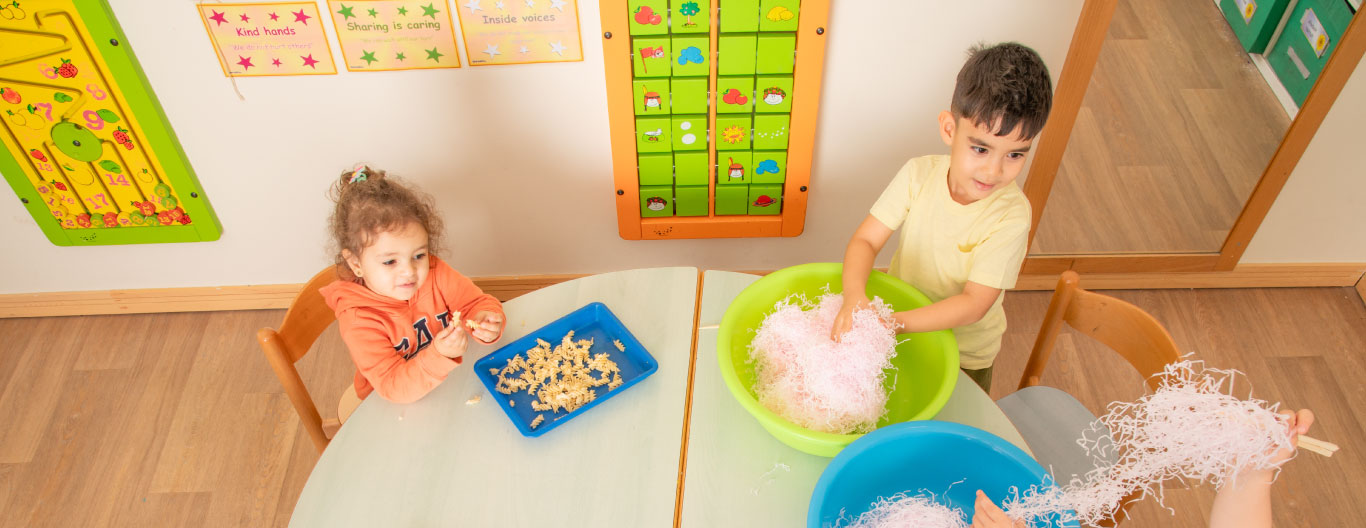
The early years of a child’s life lay the foundation for everything that follows. From emotional security to cognitive growth, these formative stages shape how children learn, relate to others, and view themselves. Parents searching for the right environment whether at home or in a structured setting such as a nursery Marina Dubai often share one common goal: to give their child the strongest possible start in life. A nurturing beginning is not a luxury; it is a necessity that influences confidence, resilience, and long-term success.
In today’s fast-paced world, children need more than supervision. They need meaningful connections, encouragement, and opportunities to explore in safe and stimulating surroundings. A nurturing start ensures that every child feels valued, understood, and supported as they begin their journey of discovery.
The Power of Early Childhood Development
Scientific research consistently shows that the first five years of life are critical for brain development. During this time, neural connections form at an astonishing rate. These connections influence language skills, emotional responses, social behavior, and cognitive abilities.
A nurturing environment enhances this natural development by:
Encouraging curiosity and exploration
Providing consistent routines and stability
Offering positive reinforcement and gentle guidance
Supporting emotional regulation
When children feel secure and loved, their brains are better equipped to absorb new information. This emotional safety becomes the foundation for academic and personal growth.
Emotional Security: The Cornerstone of Growth
Before a child can thrive academically, they must feel emotionally safe. Emotional security builds trust, and trust fosters confidence. When children know they are cared for, they are more willing to take risks, try new activities, and interact with others.
A nurturing start promotes:
Healthy attachment
Self-esteem
Empathy and compassion
Positive communication skills
Children who grow up in supportive environments learn how to express their feelings constructively. They develop the confidence to face challenges and the resilience to recover from setbacks.
Building Social Skills from the Start
Social development begins early. Children learn by observing and interacting with those around them. A nurturing environment encourages cooperative play, sharing, and respectful communication.
Key benefits of early social exposure include:
Improved listening skills
Understanding boundaries
Conflict resolution abilities
Teamwork and collaboration
Through guided group activities, storytelling, and interactive play, children learn how to form friendships and navigate social situations. These early experiences prepare them for school and beyond.
Encouraging Curiosity and Creativity
Children are naturally curious. They ask questions, experiment, and imagine endless possibilities. A nurturing start provides the freedom and resources for this curiosity to flourish.
Creative exploration may include:
Sensory play
Art and craft activities
Music and movement
Storytelling and role play
When children are encouraged to explore without fear of criticism, they develop problem-solving skills and independent thinking. Creativity strengthens cognitive flexibility and enhances emotional expression.
The Role of Play in Early Learning
Play is not just recreation it is one of the most powerful tools for learning. Through play, children understand cause and effect, develop motor skills, and practice social interactions.
Different types of play contribute to development:
Physical Play improves coordination and strength.
Pretend Play enhances imagination and empathy.
Constructive Play builds problem-solving and spatial awareness.
Interactive Play teaches communication and teamwork.
A nurturing start integrates play into daily routines, recognizing it as a fundamental part of childhood development.
Language and Communication Development
Language skills begin developing from infancy. A nurturing environment promotes communication through conversations, songs, and reading.
When adults actively engage with children by:
Asking open-ended questions
Reading aloud regularly
Encouraging storytelling
Listening attentively
Children expand their vocabulary and strengthen comprehension skills. Early language development directly influences later academic performance and social interaction.
Establishing Healthy Routines
Consistency creates a sense of security. Predictable routines help children understand expectations and develop self-discipline.
Daily routines may include:
Scheduled meal and snack times
Regular nap periods
Structured learning sessions
Free play opportunities
These routines support emotional regulation and reduce anxiety. When children know what to expect, they feel more in control and confident in their surroundings.
Fostering Independence and Confidence
A nurturing start does not mean doing everything for a child. Instead, it involves guiding them toward independence in age-appropriate ways.
Encouraging independence might include:
Allowing children to choose activities
Teaching self-care skills
Supporting decision-making
Praising effort rather than perfection
As children accomplish small tasks on their own, their confidence grows. This self-assurance motivates them to tackle more complex challenges in the future.
Supporting Physical Development
Physical growth is just as important as emotional and cognitive development. A nurturing environment promotes active movement, balanced nutrition, and healthy habits.
Activities that support physical development include:
Outdoor exploration
Fine motor skill exercises
Group games
Dance and movement sessions
Strong physical health contributes to overall well-being and enhances concentration and mood.
The Importance of Positive Guidance
Discipline in early childhood should focus on guidance rather than punishment. A nurturing start emphasizes teaching appropriate behavior through explanation and example.
Positive guidance includes:
Setting clear boundaries
Modeling respectful behavior
Encouraging problem-solving
Offering constructive feedback
When children understand the reasons behind rules, they are more likely to internalize them and develop self-control.
Creating a Safe and Stimulating Environment
Safety forms the foundation of a nurturing start. Children need secure surroundings where they can explore confidently.
A supportive environment typically includes:
Child-friendly spaces
Age-appropriate learning materials
Supervised activities
Emotional warmth and encouragement
When safety and stimulation coexist, children feel free to experiment, learn, and grow without fear.
The Long-Term Impact of a Nurturing Start
The benefits of early nurturing extend far beyond childhood. Studies show that children who experience supportive early environments are more likely to:
Perform better academically
Develop strong social relationships
Exhibit emotional resilience
Demonstrate leadership skills
These advantages carry into adolescence and adulthood, influencing career success and personal fulfillment.
Partnership Between Parents and Educators
A nurturing start works best when parents and caregivers collaborate. Open communication ensures consistency between home and learning environments.
Effective partnerships involve:
Regular updates on progress
Sharing developmental milestones
Addressing concerns promptly
Celebrating achievements together
When adults work as a team, children receive consistent messages and support, strengthening their sense of stability.
Respecting Individual Differences
Every child is unique. Some are naturally outgoing, while others are more reserved. Some excel in physical activities, while others thrive creatively.
A nurturing start recognizes and respects these differences by:
Adapting teaching approaches
Offering diverse learning experiences
Encouraging strengths
Report this wiki page